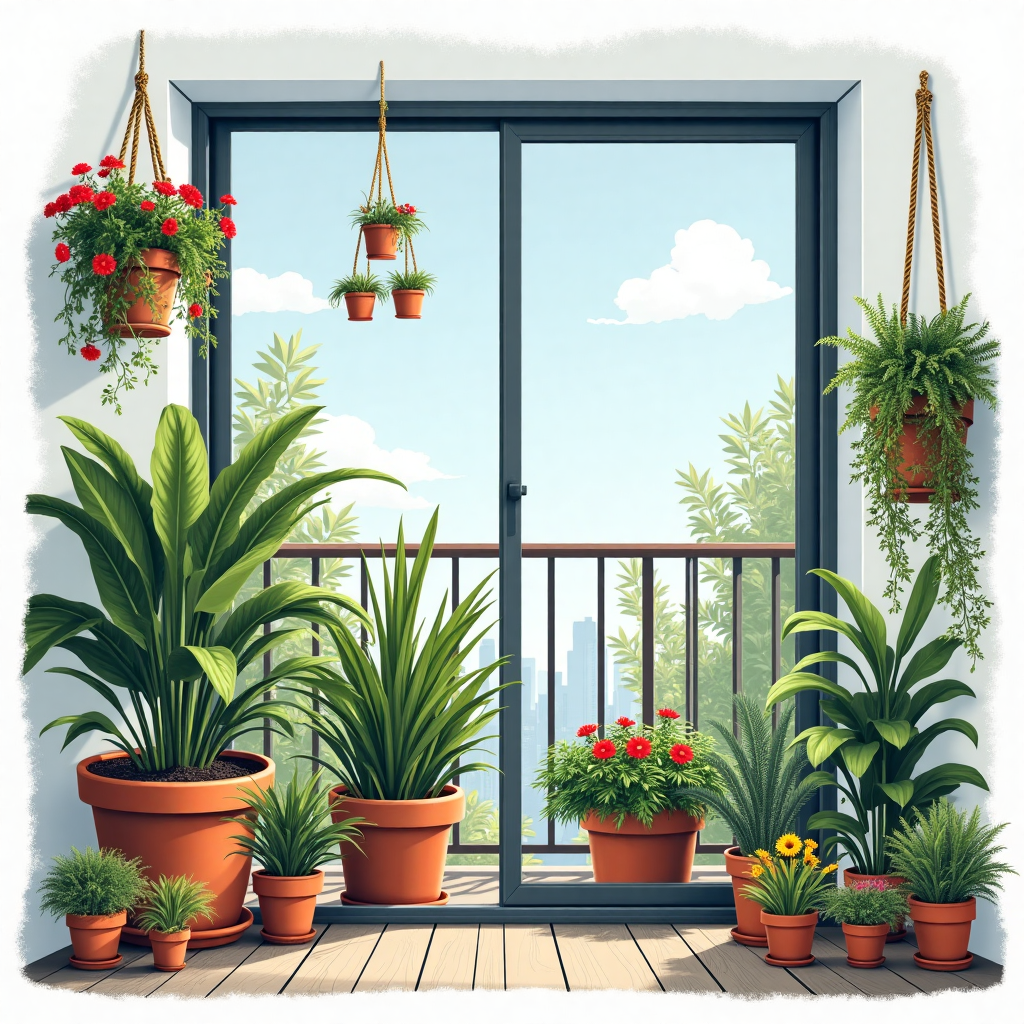
If you live in an apartment or a home without a traditional backyard, you may think that growing your own plants is out of reach. But the truth is, you can start a balcony garden and transform even the smallest outdoor space into a lush, productive, and deeply rewarding green retreat. Whether you have a tiny Juliet balcony or a spacious terrace, learning how to start a balcony garden is one of the most satisfying projects you can undertake. It connects you with nature, provides fresh herbs and vegetables, and creates a beautiful place to relax after a long day.
Many people hesitate because they worry about space, sunlight, or lack of experience. However, with the right planning and a few practical techniques, anyone can grow a thriving balcony garden. This guide will walk you through every step, from assessing your growing conditions and choosing the best containers to selecting plants that will flourish in your unique environment. By the end, you will feel confident and excited to start a balcony garden of your own.
Before you rush out to buy plants, it is important to understand that balcony gardening is a little different from traditional in-ground gardening. You are working with a contained space, limited weight capacity, and specific microclimates created by wind and reflected heat from walls. The good news is that these challenges are easy to manage once you know what to look for. So let’s dig into the essential steps for creating a balcony garden that will thrive season after season.
Why You Should Start a Balcony Garden
The benefits of starting a balcony garden extend far beyond having a pretty view. First and foremost, growing plants is a proven stress reliever. Tending to your plants, even for ten minutes a day, can lower anxiety and improve your mood. When you start a balcony garden, you create a daily ritual that grounds you and gives you a sense of purpose. There is something deeply satisfying about watching a seed sprout, nurturing it, and eventually harvesting your own food.
Beyond mental health, a balcony garden also provides practical advantages. Growing your own herbs like basil, mint, and rosemary means you always have fresh, organic ingredients at your fingertips. This reduces your reliance on store-bought produce that may have traveled thousands of miles. Additionally, balcony plants can help improve air quality, reduce noise pollution, and cool down your outdoor space during hot summer months. A well-planted balcony can even act as a privacy screen, giving you a more intimate and comfortable outdoor room.
Finally, starting a balcony garden is an excellent way to learn about sustainability and the natural world. You will become more aware of weather patterns, pollination, and the importance of soil health. If you have children, a balcony garden is a wonderful educational tool that teaches patience and responsibility. No matter your motivation, the decision to start a balcony garden is a step toward a healthier, more connected lifestyle.
Assessing Your Balcony Space and Conditions
Before you purchase a single pot or plant, take time to carefully evaluate your balcony. Every balcony is unique, and understanding its specific conditions will save you from costly mistakes and disappointing results. The most important factors to consider are sunlight, wind, temperature, and weight capacity.
Understanding Sunlight Exposure
Sunlight is the single most important factor in determining which plants you can grow. Spend a day observing your balcony at different times: morning, noon, and afternoon. Note how many hours of direct sunlight it receives. In general, you can categorize your balcony as follows:
- Full sun: 6 or more hours of direct sunlight per day. Best for vegetables, fruiting plants, and most herbs.
- Partial sun or partial shade: 3 to 6 hours of direct sunlight. Suitable for leafy greens, many flowers, and some herbs.
- Full shade: Less than 3 hours of direct sunlight. Ideal for shade-loving plants like ferns, hostas, and certain leafy greens.
Remember that sunlight patterns change with the seasons. A balcony that is sunny in summer may be much shadier in winter. When you start a balcony garden, choose plants that match the amount of sun your space actually receives, not the amount you wish it had.
Evaluating Wind and Temperature
Balconies, especially those on higher floors, can be surprisingly windy. Strong winds can dry out plants quickly, damage delicate leaves, and even knock over pots. If your balcony is exposed, consider installing a windbreak such as a trellis, shade cloth, or a row of sturdy plants like ornamental grasses to buffer the gusts. You should also choose heavier pots or secure lighter containers to prevent them from toppling.
Temperature is another key consideration. Balconies made of concrete or metal can absorb and radiate heat, creating a microclimate that is several degrees warmer than the surrounding area. This can be beneficial for heat-loving plants like tomatoes and peppers, but it can also stress cool-weather crops. In colder climates, balconies may experience freezing temperatures sooner than the ground. Pay attention to your local microclimate and adjust your plant choices and watering schedule accordingly.
Checking Weight Capacity and Space Layout
Before you fill your balcony with heavy pots and soil, check the weight limits of your building or rental agreement. Soil, water, and containers can add up quickly. If you are concerned about weight, use lightweight containers made of plastic, fiberglass, or fabric grow bags instead of heavy ceramic or concrete. You can also use lightweight potting mixes that contain perlite or vermiculite to reduce overall weight.
Think about how you want to use the space. Do you want a dedicated growing area, or do you need to leave room for a chair and table? Vertical gardening is an excellent way to maximize a small balcony. Use wall-mounted planters, hanging baskets, tiered plant stands, and trellises to grow upwards instead of outwards. This approach allows you to start a balcony garden even in the most compact spaces.
Choosing the Right Containers and Soil
Once you understand your balcony’s conditions, it is time to select the containers and soil that will support healthy plant growth. The right choices here can make the difference between a thriving garden and a struggling one.
Selecting Containers for Balcony Gardening
There are many container options available, each with its own advantages. When you start a balcony garden, consider the following types:
- Plastic pots: Lightweight, affordable, and retain moisture well. Choose high-quality, UV-resistant plastic to prevent cracking over time.
- Terracotta or clay pots: Attractive and breathable, but heavy and prone to drying out quickly. They work well for herbs that prefer drier soil.
- Fabric grow bags: Lightweight, inexpensive, and excellent for root health because they allow air pruning and prevent root circling. They do need more frequent watering.
- Wooden planters: Beautiful and natural, but may rot over time unless lined. Cedar and redwood are more rot-resistant choices.
- Self-watering containers: Great for busy gardeners or hot balconies. They have a built-in reservoir that reduces watering frequency.
Regardless of the material, every container must have drainage holes. Without proper drainage, excess water will accumulate, leading to root rot and plant death. Place saucers under pots to catch runoff, but empty them regularly to avoid standing water, which can breed mosquitoes.
Using the Best Potting Mix
Never use ordinary garden soil in containers. Garden soil is too heavy, compacts easily, and may contain pests or diseases. Instead, choose a high-quality potting mix specifically formulated for container plants. These mixes are lightweight, well-draining, and often contain a blend of peat moss, perlite, vermiculite, and compost.
For vegetables and heavy feeders, you can enrich the potting mix with slow-release organic fertilizer or compost. If you want to start a balcony garden on a budget, you can make your own potting mix by combining equal parts of coco coir, perlite, and compost. This blend is lightweight, retains moisture, and provides essential nutrients for healthy growth.
Selecting the Best Plants for Your Balcony Garden
Choosing the right plants is one of the most exciting parts of starting a balcony garden. However, it is important to select varieties that are well-suited to container growing and your specific light conditions. Here are some excellent options for beginners and experienced gardeners alike.
Herbs for a Balcony Garden
Herbs are the perfect starting point for any balcony gardener. They are compact, productive, and incredibly useful in the kitchen. Most herbs prefer at least 4 to 6 hours of sunlight per day.
- Basil: Loves warmth and full sun. Great for pesto, salads, and pasta dishes.
- Mint: Grows vigorously and tolerates partial shade. Keep it in its own pot to prevent it from taking over.
- Rosemary: Drought-tolerant and thrives in full sun. Its woody stems add structure to your garden.
- Thyme: Low-growing and perfect for the edges of containers. Needs well-drained soil.
- Parsley: Tolerates partial shade and produces continuously if harvested regularly.
Vegetables and Fruits for Containers
You can grow a surprising amount of food on a balcony. Look for compact or dwarf varieties that are bred for container growing.
- Cherry tomatoes: Varieties like ‘Tiny Tim’ or ‘Tumbling Tom’ grow well in pots and produce abundant fruit.
- Leafy greens: Lettuce, spinach, and kale grow quickly and tolerate partial sun. They are perfect for shallow containers.
- Peppers: Both sweet and hot peppers thrive in warm, sunny spots. Compact varieties do especially well in 5-gallon containers.
- Strawberries: Grow beautifully in hanging baskets or vertical towers. They need full sun and regular watering.
- Radishes: Fast-growing and easy, radishes are ready to harvest in about 30 days, making them a satisfying choice.
Flowers and Ornamentals for Color and Pollinators
Adding flowers to your balcony garden not only makes it more beautiful but also attracts essential pollinators like bees and butterflies. Many flowers also repel pests, making them valuable companions to your vegetables.
- Marigolds: Bright and cheerful, they deter aphids and attract beneficial insects.
- Nasturtiums: Edible flowers that trail beautifully over pots. They prefer poor soil and full sun.
- Petunias: Long-blooming and vibrant, they thrive in containers and hanging baskets.
- Lavender: Drought-tolerant and fragrant, it loves full sun and well-drained soil.
- Geraniums: Reliable bloomers that do well in pots and are relatively low-maintenance.
Planting and Care Tips for a Thriving Balcony Garden
Once you have your containers, soil, and plants ready, it is time to plant. Proper planting and ongoing care are essential to keep your balcony garden healthy and productive. Here are the key practices to follow.
Watering Your Balcony Garden Properly
Container plants dry out much faster than plants in the ground, especially on hot or windy days. Watering is the most frequent task you will perform. The best way to know when to water is to stick your finger into the soil about an inch deep. If it feels dry, it is time to water. Water deeply until you see water draining out of the bottom of the pot, then allow the soil to dry slightly before watering again.
During the peak of summer, you may need to water your balcony garden every day, sometimes twice a day for small pots in full sun. To reduce watering needs, group your containers together. This creates a microclimate with higher humidity, which helps slow down moisture loss. Adding a layer of mulch, such as straw or bark chips, on top of the soil also helps retain moisture.
Fertilizing for Healthy Growth
Because container plants have a limited amount of soil, nutrients are quickly depleted. Regular fertilizing is essential, especially for vegetables and heavy-flowering plants. When you start a balcony garden, choose a balanced, water-soluble fertilizer and apply it according to the package instructions. For most plants, feeding every two weeks during the growing season is sufficient. Organic options like fish emulsion, seaweed extract, or compost tea are excellent choices for balcony gardeners who prefer natural methods.
Be careful not to over-fertilize, as this can lead to lush foliage but poor flowering or fruiting. Always follow the recommended dosage, and if in doubt, use a weaker solution more frequently rather than a strong one at once.
Pruning, Deadheading, and Harvesting
Regular pruning and harvesting keep plants productive and healthy. For herbs like basil and mint, pinch off the tips regularly to encourage bushy growth and prevent them from flowering too early. When herbs do flower, their leaves can become bitter. For flowering plants, remove spent blooms (deadheading) to encourage more flowers to form.
For vegetables like tomatoes and peppers, remove any yellowing leaves and suckers to improve air circulation. Harvest vegetables as soon as they are ripe so the plant continues to produce. The more you pick, the more they will grow. This simple act of harvesting is one of the greatest joys of starting a balcony garden.
Pest and Disease Management
Balcony gardens are not immune to pests, but because you are growing in a contained space, it is easier to manage problems early. Inspect your plants regularly for signs of aphids, spider mites, whiteflies, or powdery mildew. If you spot pests, try the following non-toxic methods first:
- Blast them off: A strong jet of water can dislodge aphids and spider mites from leaves.
- Insecticidal soap: Safe for many plants and effective against soft-bodied insects.
- Neem oil: A natural pesticide and fungicide that controls a wide range of pests and diseases.
- Companion planting: Grow marigolds, basil, or chives among your vegetables to repel common pests.
Good air circulation is also crucial for preventing fungal diseases. Avoid overcrowding your containers, and prune dense growth to allow fresh air to reach all parts of the plant. If a plant becomes severely infested or diseased, remove it immediately to protect the rest of your garden.
Seasonal Maintenance and Troubleshooting Common Problems
A successful balcony garden requires attention to the changing seasons. With a little planning, you can keep your garden productive all year round. Here is how to adapt your care routine through the seasons.
Spring and Summer Care
Spring is the ideal time to start a balcony garden or refresh an existing one. Clean your pots, replace old soil, and sow seeds or plant seedlings after the danger of frost has passed. As temperatures rise, increase watering frequency and start fertilizing regularly. Provide shade for cool-weather crops if the sun becomes too intense, and consider moving pots to a shadier spot during heatwaves.
Summer is peak growing season. Monitor your plants daily for water needs, pests, and nutrient deficiencies. Harvest herbs and vegetables frequently to keep production high. If you plan to go on vacation, invest in a self-watering system or ask a neighbor to water for you.
Autumn and Winter Care
In autumn, you can plant cool-season crops like lettuce, spinach, kale, and pansies. These plants thrive in cooler temperatures and often taste sweeter after a light frost. Gradually reduce watering as the weather cools, and stop fertilizing in late autumn to allow plants to harden off.
For winter, many balcony gardeners choose to bring tender herbs like basil and rosemary indoors to a sunny windowsill. If you live in a mild climate, you can continue growing hardy greens and root vegetables outdoors with a cold frame or frost cloth. For empty pots, clean them thoroughly and store them upside down to prevent cracking from freezing temperatures.
Troubleshooting Common Balcony Gardening Problems
Even experienced gardeners encounter problems. Here are some common issues and how to fix them:
- Yellowing leaves: Often caused by overwatering, poor drainage, or nutrient deficiency. Check soil moisture and adjust watering. Feed with a balanced fertilizer.
- Leggy, weak growth: Usually a sign of insufficient light. Move the plant to a sunnier spot or use grow lights.
- No flowers or fruit: Could be too much nitrogen or lack of sunlight. Use a fertilizer with higher phosphorus content and ensure the plant gets enough sun.
- Wilting despite moist soil: May indicate root rot from poor drainage. Repot into fresh, well-draining soil and cut away any rotten roots.
- Brown leaf edges: Often caused by wind burn, over-fertilizing, or inconsistent watering. Adjust your care routine and provide wind protection if needed.
Conclusion
Learning how to start a balcony garden is a journey that rewards you with fresh food, beautiful flowers, and a deeper connection to nature. Even in the heart of a bustling city, a balcony garden can become your personal sanctuary—a place where you can slow down, breathe, and nurture life. With the right assessment of your space, thoughtful plant choices, and consistent care, you can grow a thriving garden in an area no larger than a few square meters.
Remember that every balcony garden is unique, and part of the joy is experimenting and learning what works best for you. Start small with a few hardy herbs or leafy greens, then expand as you gain confidence. Don’t be afraid to make mistakes; they are simply stepping stones to becoming a better gardener. The most important thing is to begin.
So take that first step today. Gather a few pots, fill them with quality soil, and plant your first seeds or seedlings. Before long, you will be harvesting your own ingredients, enjoying vibrant blooms, and wondering why you didn’t start a balcony garden sooner. Your urban oasis awaits—happy gardening!